Location: Emser Str. 12–13, Berlin
Date: 31.05.2026–04.06.2026
Occasion: International Children’s Day
Exhibition curator: Zukhra Rakhmatova
Organiser: San’at – Forum für Kunst, Kultur und Wissenschaft e.V.
Participants
- Embassy of the Republic of Uzbekistan in the Federal Republic of Germany
- Azerbaijani Cultural Centre Khari Bülbül e.V.
- Rhythm Dance Group
- Art Space Berlin Art School
- Primo Piano Berlin Music and Art School
- Logenhaus GmbH
- MEcoVEA e.V.
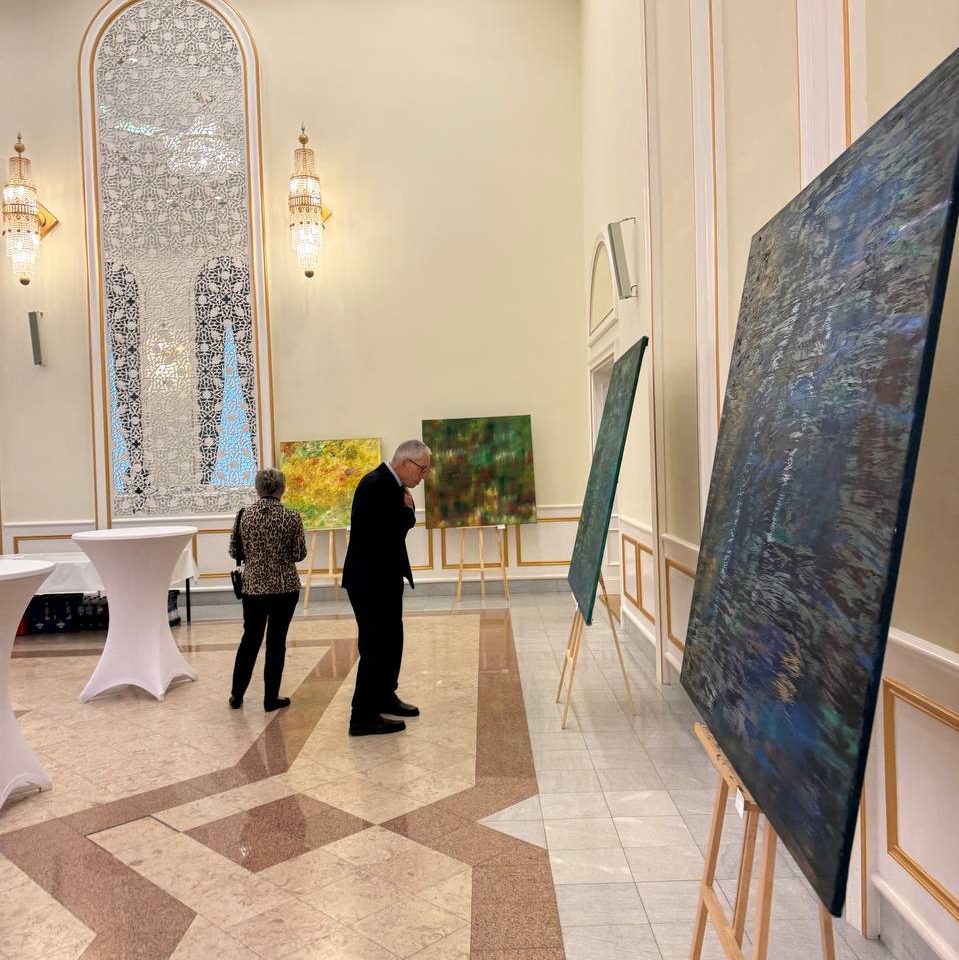
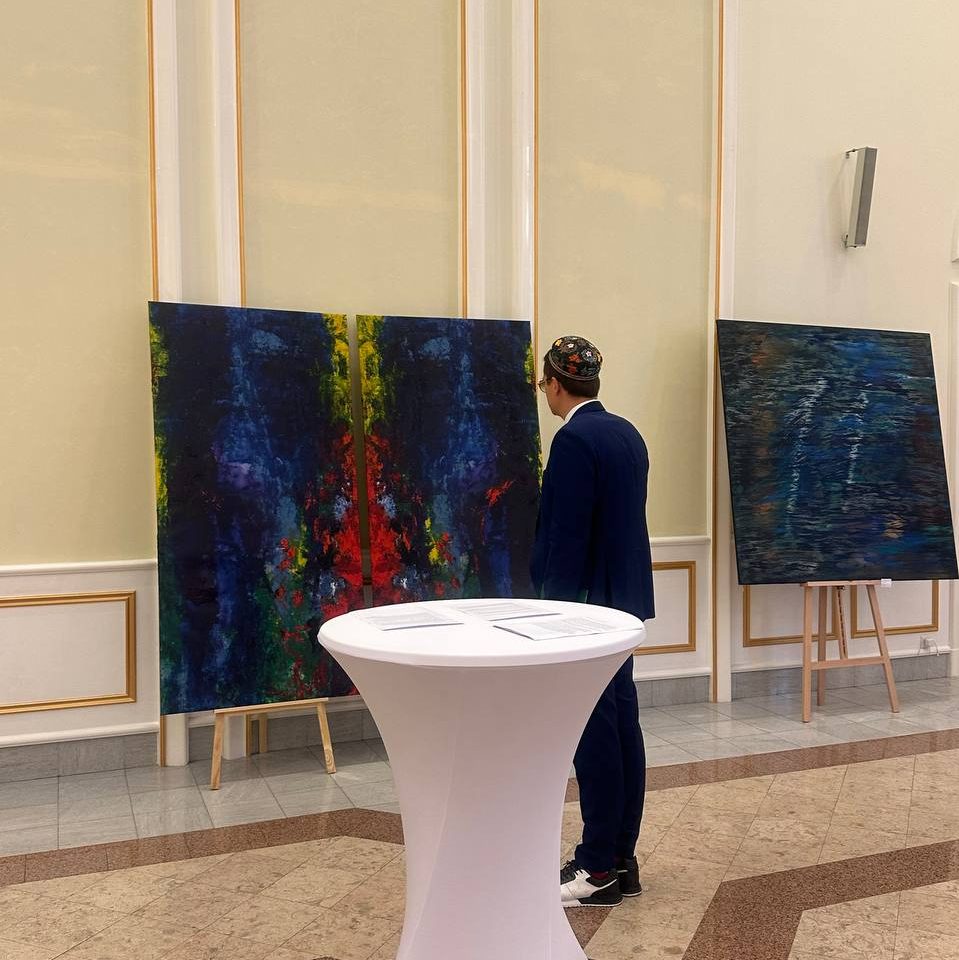
On the occasion of International Children’s Day, we presented the international children’s art exhibition “The World Through Children’s Eyes”. The exhibition brings together children from Germany and Uzbekistan and creates a space for encounter, creativity and cultural exchange.
Around 250 works of art by children aged three to thirteen, including more than 50 works from Uzbekistan, are presented as part of the exhibition. The works reveal the thoughts, feelings, hopes and dreams of a young generation and invite visitors to see the world from a different perspective: through the eyes of children.
The world as seen by children
The exhibition focuses not on perfection or artistic professionalism, but on children’s authentic view of their environment. The works on display were created by children with very different experiences and backgrounds. Some attend art schools or creative education programmes, while others paint at home with their families or discover their creativity independently of formal artistic training.
It is precisely this diversity that gives the exhibition its special value. Each picture tells its own story and reflects a child’s individual perception. The works differ in technique, style and artistic level, yet they share one defining quality: they are expressions of children’s genuine thoughts, feelings and ideas.
The exhibition understands children’s art not as a competition, but as a form of dialogue. Each work is regarded as an equally valuable contribution that shows how children see, experience and wish to shape the world.
Art as a bridge between Germany and Uzbekistan
The exhibition promotes cultural exchange between Germany and Uzbekistan and highlights the unifying power of art. It shows that creativity can overcome cultural, linguistic and geographical boundaries. The works on display make visible that, regardless of origin, language or culture, children share similar values: friendship, family, peace, respect and the need for harmonious coexistence.
In this way, the exhibition contributes to cultural education, promotes tolerance and mutual understanding, and strengthens friendly relations between the two countries.
Project objectives
- The exhibition pursues the following objectives in particular:
- Promoting children’s creative development;
- Making children’s perspectives and forms of expression visible;
- Supporting cultural exchange between Germany and Uzbekistan;
- Promoting openness, respect and intercultural dialogue;
- Strengthening cultural education and children’s participation in society;
Cultural accompanying programme
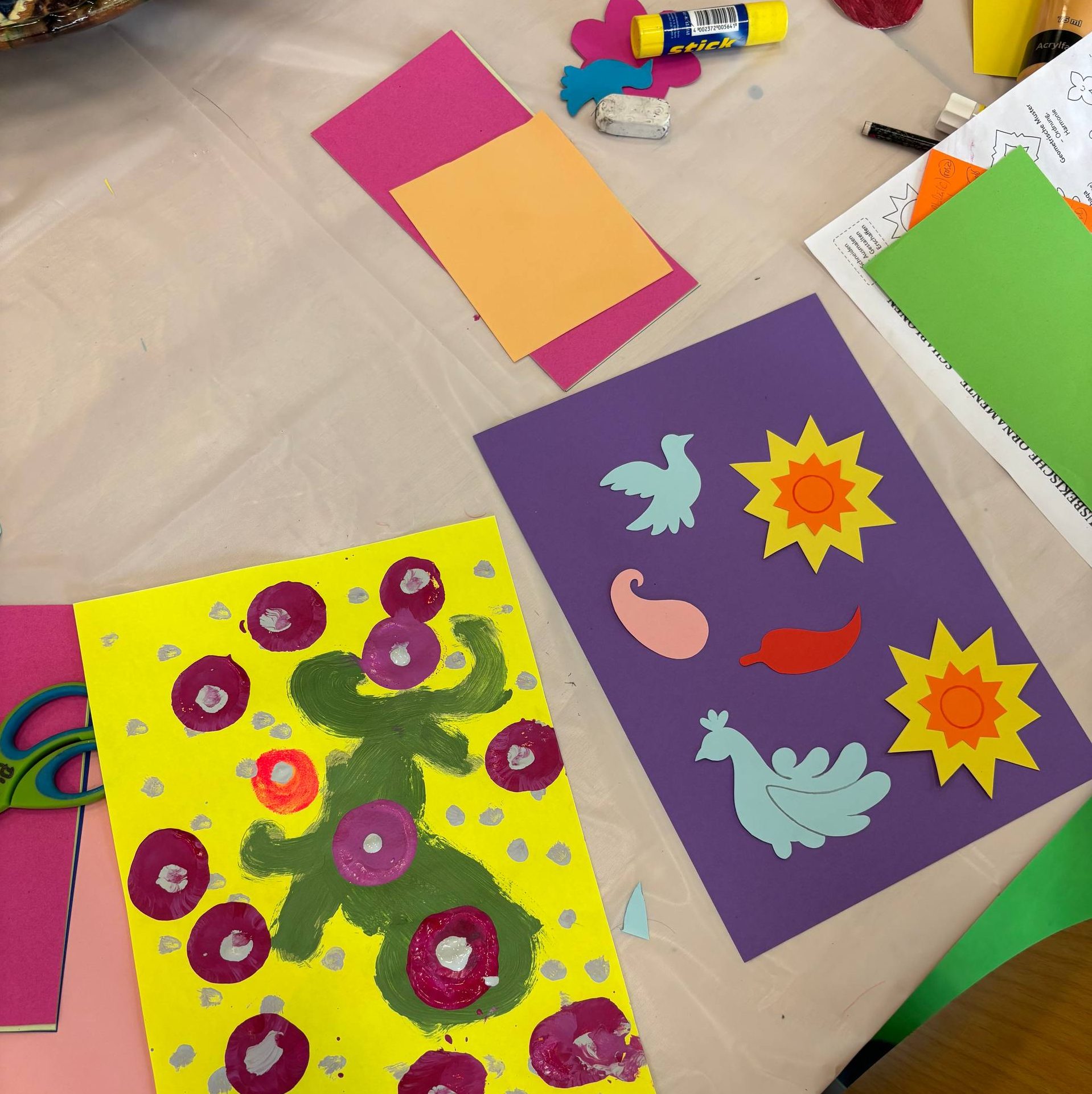
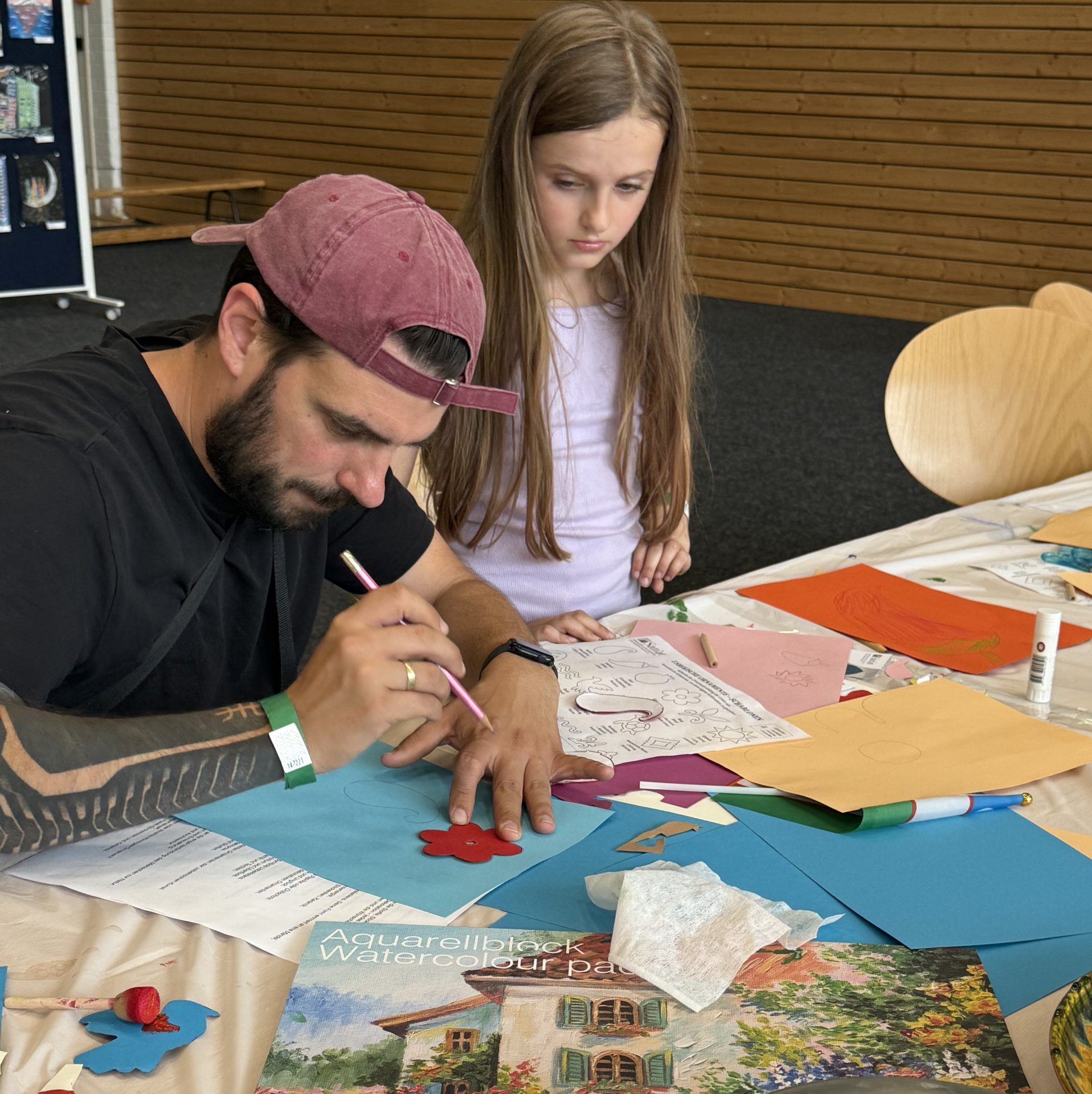
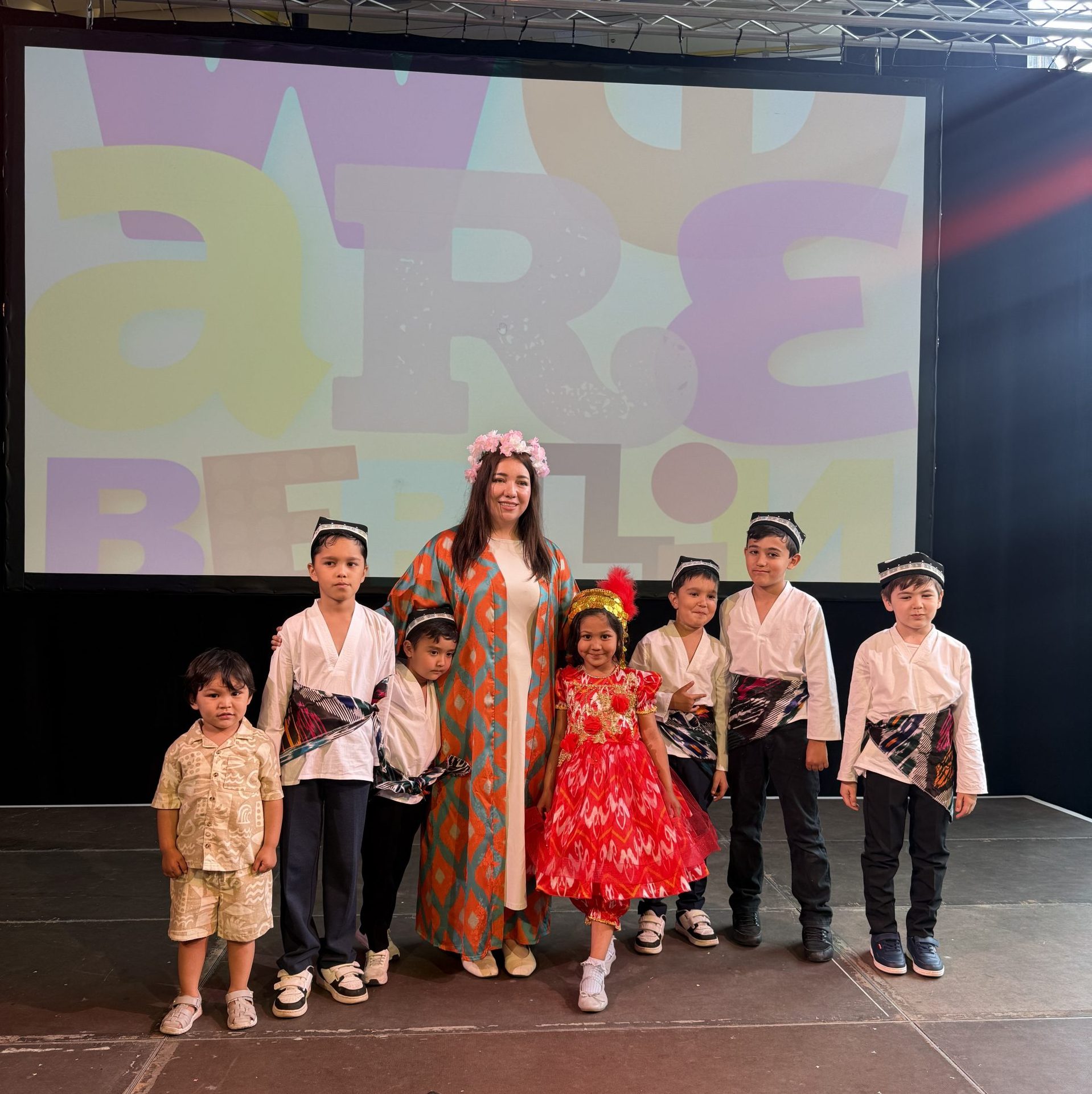
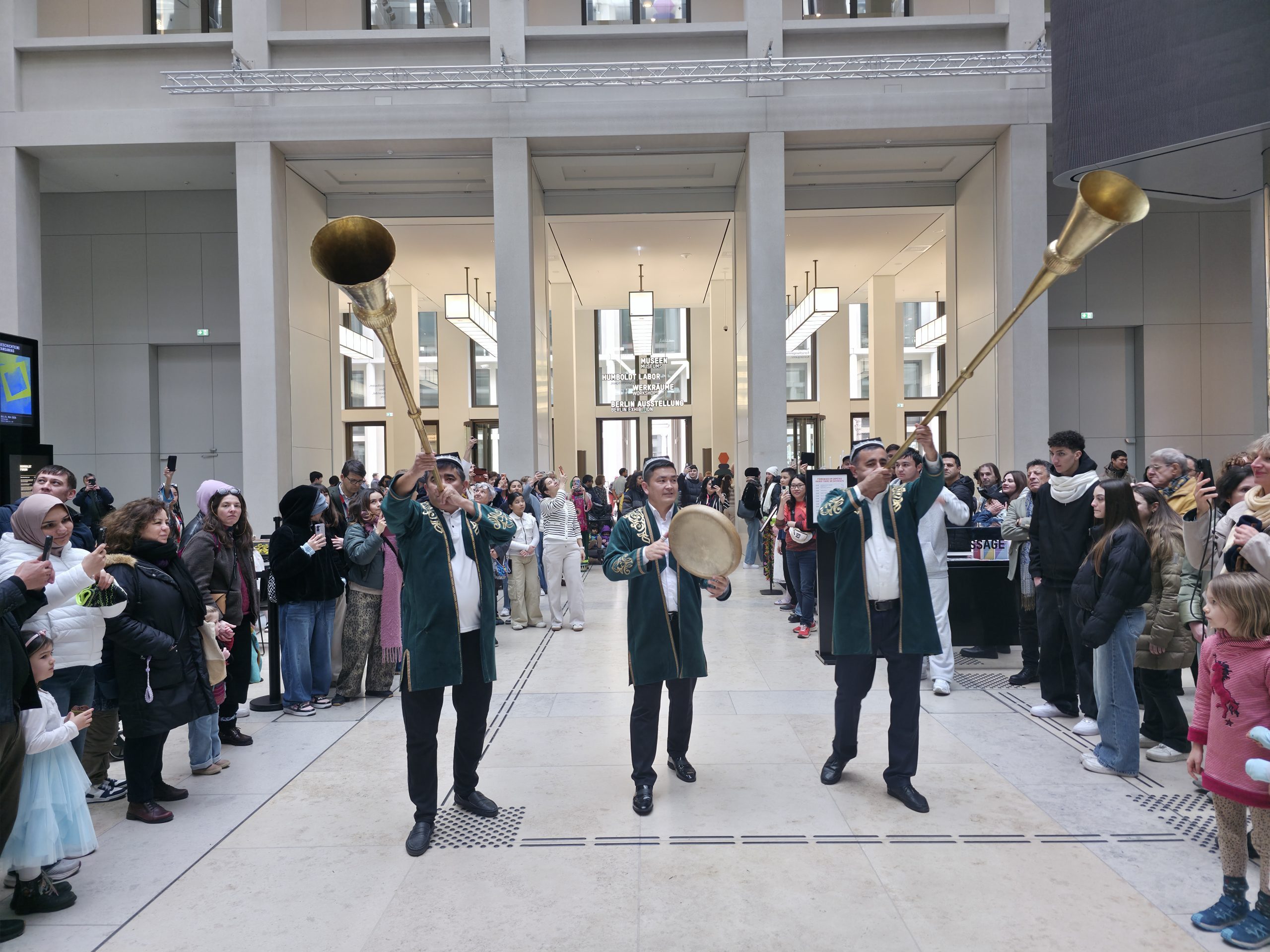
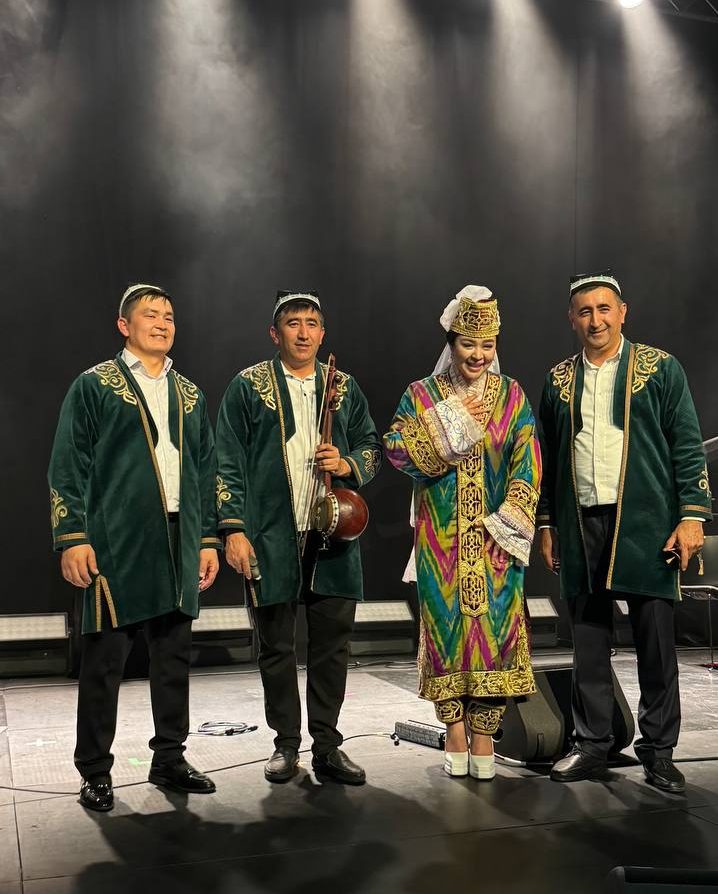
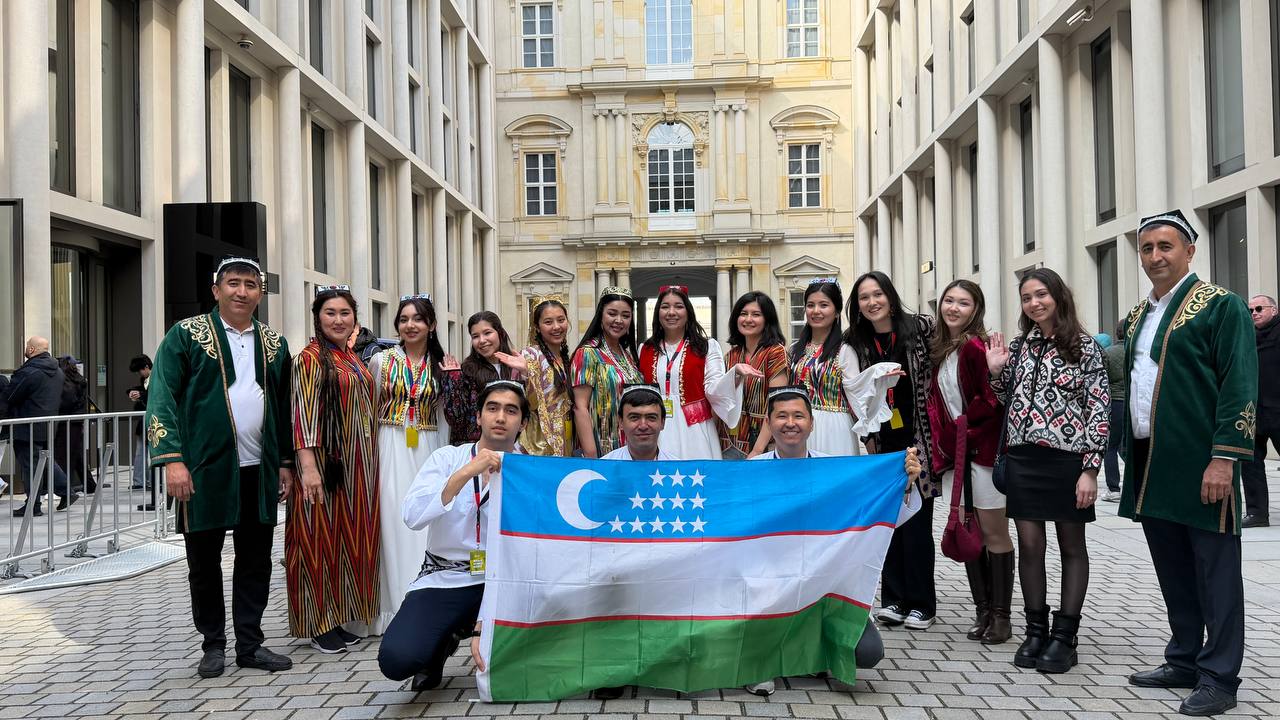
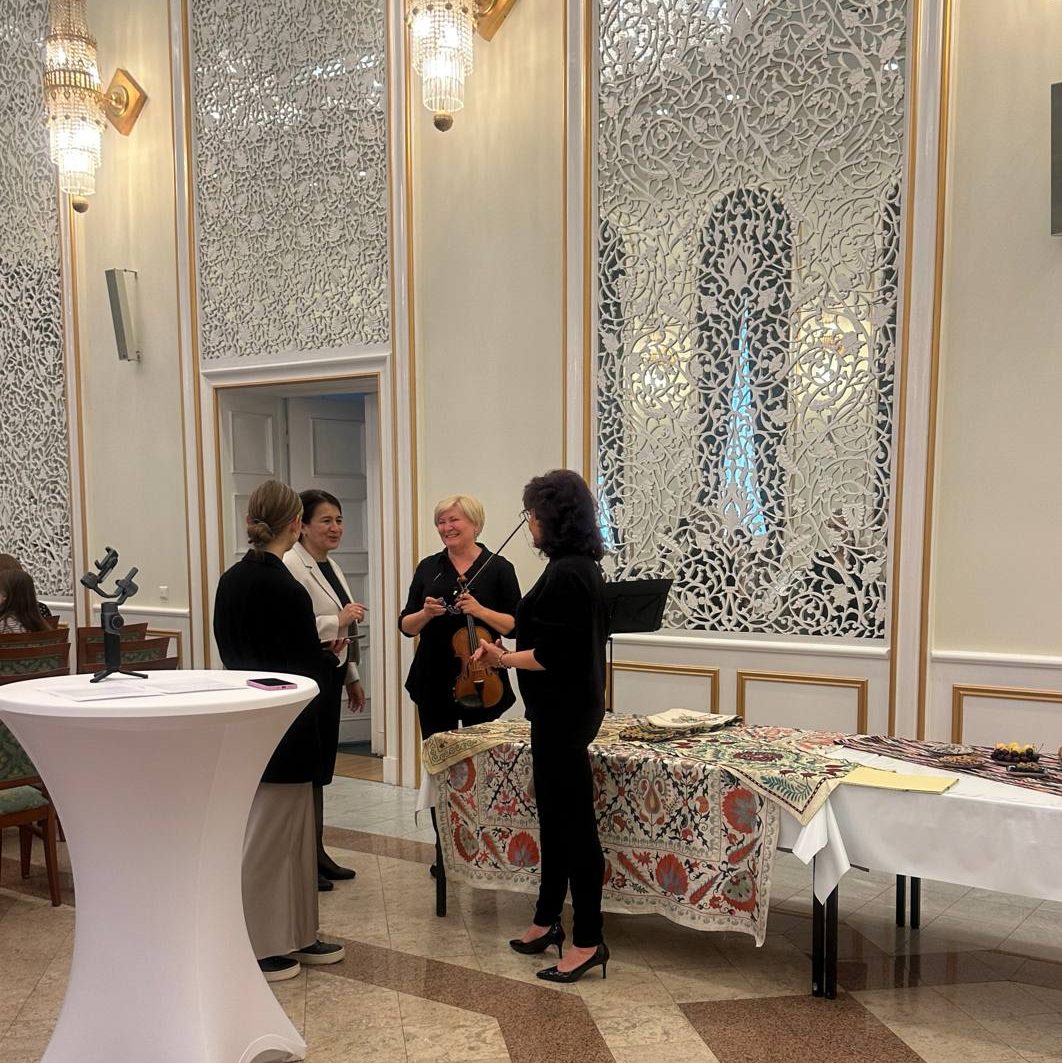
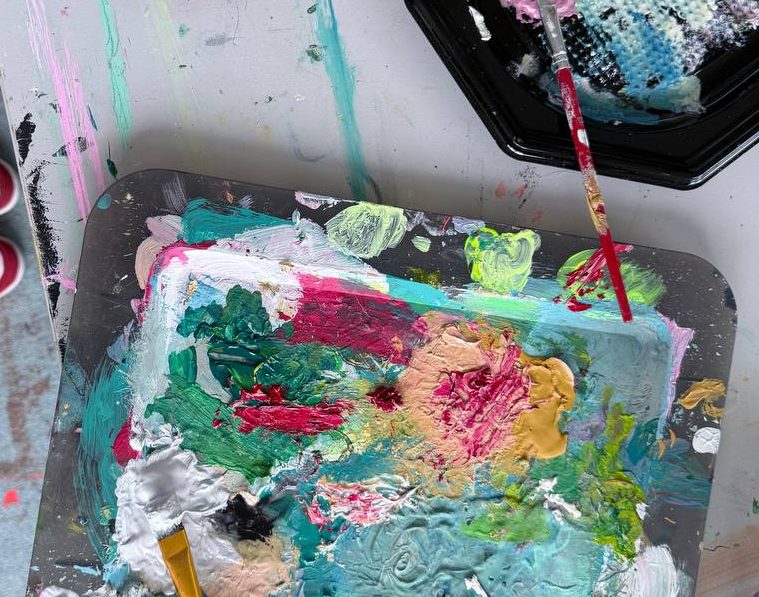
In addition to the exhibition, visitors can experience a diverse cultural programme featuring traditional Uzbek and Azerbaijani dance performances by San’at Forum and Rhythm Dance Group, creative workshops and participatory activities for children and families. In the workshops, participants can make flower wreaths, children can paint, work with clay and become acquainted with various creative techniques. All works created may be taken home as a personal souvenir.
Traditional Uzbek dishes and cultural presentations also offer insights into the culture, history and hospitality of Uzbekistan.
Participants
The exhibited works come from children in Berlin, from kindergartens, art and educational institutions, and from pupils of state educational institutions in Uzbekistan, including children from Tashkent and the P. Benkov Republican Art College.
Children’s artworks are presented, among others, by:
- Azerbaijani Cultural Centre Khari Bülbül e.V.
- Art Space Berlin Art School
- Primo Piano Berlin Music and Art School
In addition, numerous children of different nationalities and cultural backgrounds from various Berlin districts and from Uzbekistan are taking part.
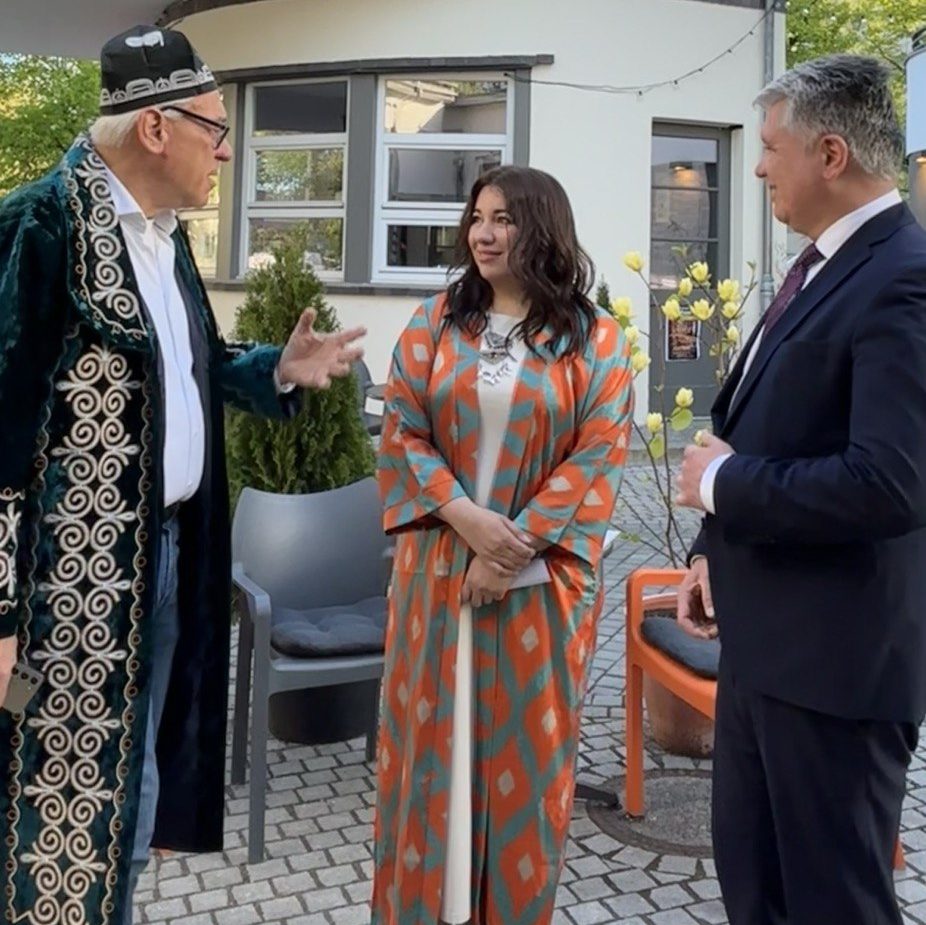
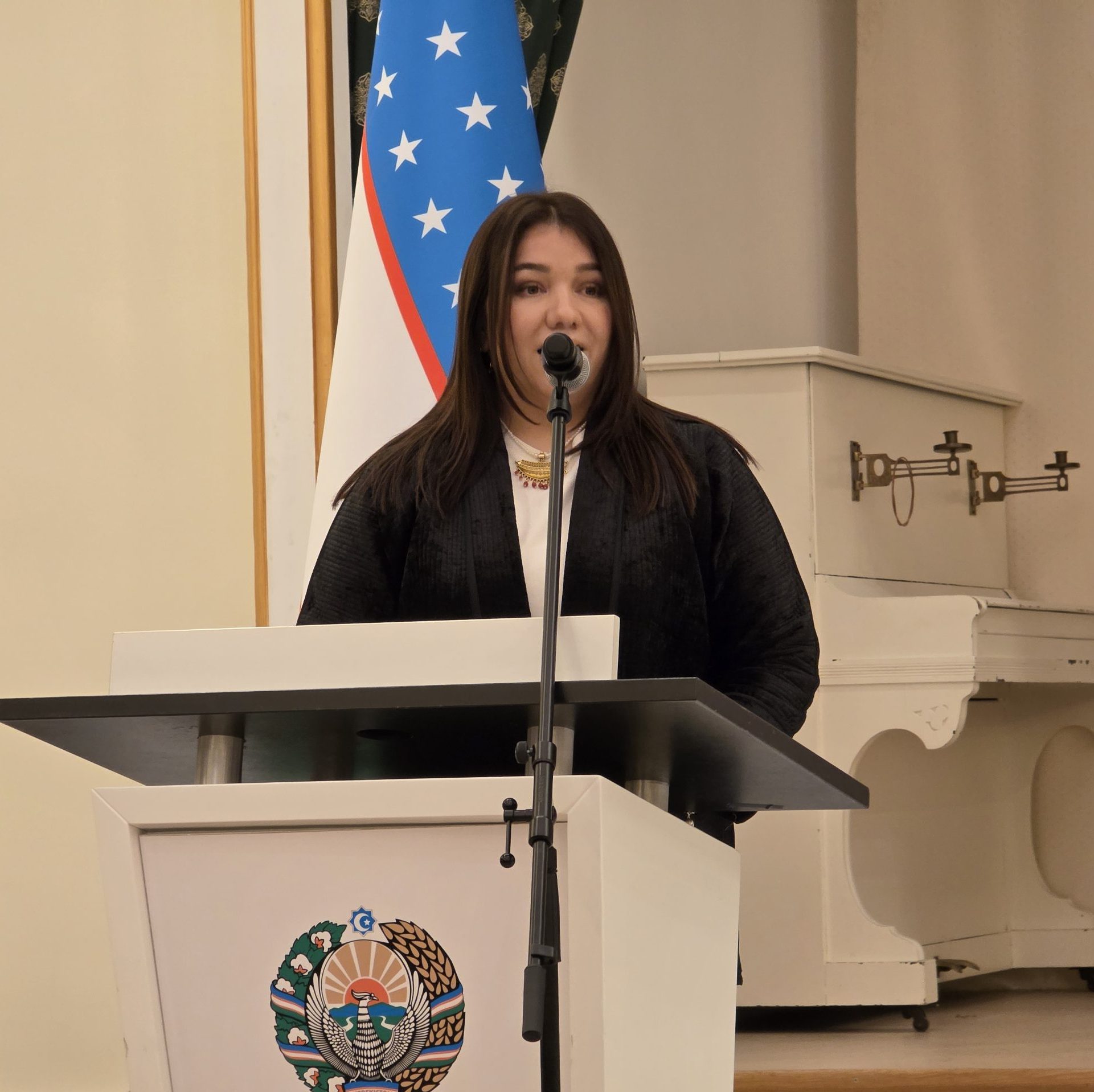
H.E. Mr Dilshod Akhatov, Ambassador of the Republic of Uzbekistan to Germany, is expected to attend the ceremonial opening.
The exhibition is guided by the idea of cultural exchange and international understanding. It impressively demonstrates that art can build bridges between people and cultures.
The exhibition is realised with the kind support of Logenhaus Berlin GmbH. Special thanks go to Mr Andrej Rein, Managing Director of Logenhaus Berlin GmbH, for providing the premises and supporting this international cultural project.
In addition, the organisers thank all partner organisations, educational institutions, families, volunteers, our young San’at Forum team and the many supporters who contributed to the successful realisation of the exhibition.